Key points
- Payward signed an agreement to buy Saldo Bank’s Finnish parent; regulatory approval and closing are still pending.
- Payward expects a 2027 close and says bank products could follow, subject to approval and eligibility.
- The reader test is which entity holds cash and crypto, what protections apply, and whether withdrawals remain open.
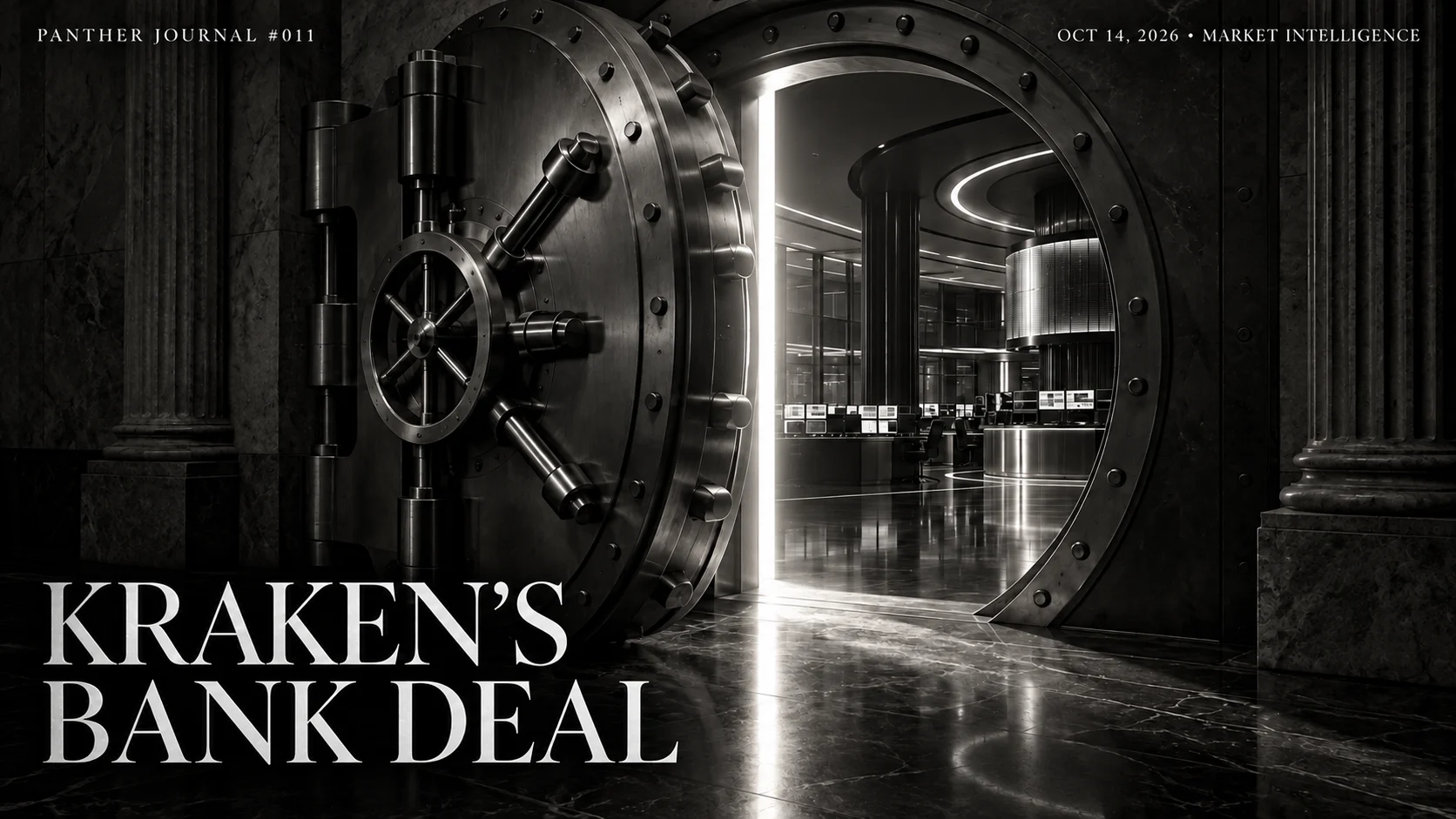
Payward is moving toward the one place a crypto exchange has long depended on someone else: the bank account. On October 14, 2026, the parent of Kraken said it signed a definitive agreement to acquire Saldo Finance Oy, the Finnish owner of Lithuania-licensed Saldo Bank. The transaction is expected to close in 2027, subject to regulatory approval. No one should mistake a signed deal for a completed bank acquisition—or for a new product available in their Kraken account today.
The deal behind the headline
Saldo Bank is a specialized bank with deposit, lending and payments infrastructure. According to Payward’s announcement, it operates in Lithuania, Finland, Sweden and Germany, with a passport into the Netherlands. Its products include term deposits, consumer and small-business lending, and a credit card in Finland. Payward says the proposed acquisition would add an EU banking license and access to payment and lending infrastructure to its existing stack.
The corporate detail matters: Payward has agreed to buy Saldo Finance Oy, the holding company. It has not announced that Kraken itself has already become a European bank. Payward did not disclose a deal price in its release. The Financial Times independently reported the proposed acquisition and interviewed Payward co-CEO Arjun Sethi.
Why a crypto exchange wants a bank
Most exchanges need banking partners to move customer cash. That dependency can shape deposits, withdrawals, settlement and the range of financial products an exchange can offer. A bank inside the corporate group could give Payward more direct control over those rails, though any integration and new offering would still face regulation, capital requirements and operational scrutiny.
Payward’s stated plan is a unified place for customers to hold assets, move money and potentially use banking products. Its announcement lists interest on deposits, lending, card products, SEPA payments and banking-as-a-service as possible capabilities after closing and approvals. These are plans, not live promises. Eligibility, geography, pricing, custody and the terms of any crypto-backed lending have not been established in this announcement.
The larger strategic prize is the primary financial relationship. If a customer keeps cash, crypto, payments and credit inside one group, the company can serve more of that customer’s financial life. That is our interpretation of the deal’s commercial logic, supported by Payward’s own description of wanting to become a primary financial institution. It does not mean customers will automatically benefit on every dimension.
The trade-off hidden in the convenience
A bank-linked exchange may reduce friction for people who want to move between fiat and digital assets. It could also deepen reliance on one provider for custody, payments and credit. The questions for users are concrete: Which legal entity holds cash? Which entity holds crypto? What deposit protections apply, and to which balances? Can a customer withdraw assets to a self-custody wallet? How is collateral valued if loans arrive? None of those answers should be inferred from the acquisition announcement alone.
There is also execution risk. Regulators still must approve the deal, the businesses must integrate, and the timetable could change. Saldo’s existing bank products should not be treated as universally available to Kraken users. Payward expects closing in 2027, not today.
What to watch next
The first milestone is regulatory approval and an actual closing announcement. After that, watch for product terms naming the provider, jurisdictions, deposit protection, custody arrangements, withdrawal rights and loan collateral rules. Those disclosures will show whether the combined stack changes the customer experience or mainly gives Payward greater control behind the scenes.
The Panther takeaway
Crypto’s next banking story may be less about putting Bitcoin on a bank’s trading screen and more about who owns the account that holds the customer relationship. Payward has signed the deal for that infrastructure. The benefits—and the risks—remain to be proved in the products that follow.
Sources and verification
- Payward, “Payward to acquire Saldo Bank,” October 14, 2026. Primary announcement for the definitive agreement, target structure, existing Saldo products, expected 2027 close and conditions.
- Financial Times, “Crypto exchange Kraken owner to buy European bank,” October 14, 2026. Independent reporting and interview with Payward co-CEO Arjun Sethi.
- Kraken, “Where is Kraken licensed or regulated?”. Background on its current European EMI and crypto-asset permissions; those are distinct from the proposed bank acquisition.
Responses
No responses yet. Start the conversation.
Panther Journal — The intelligence brief
Stay ahead of the story.
Free. New investigations delivered when published. Unsubscribe anytime.