Key points
- Attack vector identified in BTCPay Server 2.4.1 or older, according to the November 2 update.
- The project reports no credible hot-wallet drains on 2.4.7; that is not a universal safety guarantee.
- Hosted instances may have been stopped automatically. Confirm the installed version and remediation with your host.
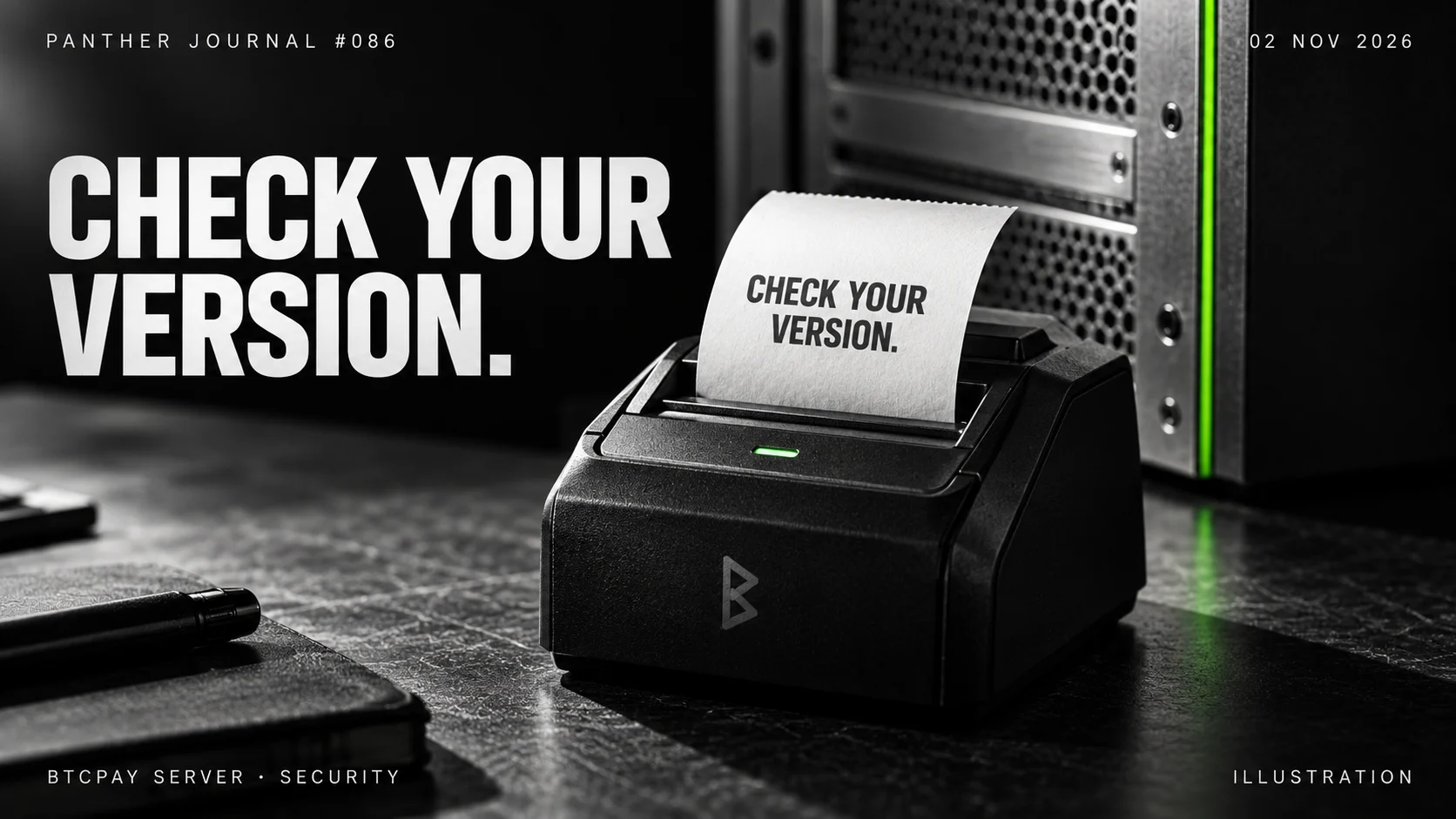
A Bitcoin checkout can look ordinary while the software behind it is months out of date. BTCPay Server’s latest incident update makes that version check consequential for merchants accepting $BTC.
At 04:07 UTC on November 2, the project said its investigation identified an attack vector targeting version 2.4.1 or older. It reported no credible hot-wallet drains among users running the latest 2.4.7 release and urged operators to keep their servers updated.
BTCPay Server narrows the affected version range
The update follows a November 1 alert reporting unauthorized hot-wallet sweeps and asking operators to stop their instances while the investigation proceeded. The new statement gives operators a more specific risk boundary than that initial broad warning.
TokenPost independently reported the version finding. The project also said hosted instances may have been stopped automatically to protect older installations, thanking LunaNode and other providers for their response.
For a merchant whose checkout went offline, that creates a concrete first question for the host: which version was running, and what remediation has been completed?
What the update establishes—and what it leaves open
The stated attack vector targets 2.4.1 or earlier. The absence of credible reports on 2.4.7 is a qualified observation, rather than proof that every installation is secure. The statement does not individually clear every intervening release or quantify total losses and affected servers.
Nor does updating software reverse an unauthorized transfer. Operators should distinguish preventing further exploitation from determining whether their own instance, credentials or funds were exposed.
The official release history lists 2.4.7 as a security, reliability and payment-accounting update released October 29. Its existence before these reports does not by itself establish which vulnerability caused the reported thefts.
The operational check comes before restarting payments
Operators should establish the installed version and follow the project’s current update guidance through official channels. Those using a hosting provider should obtain confirmation from that provider rather than assume an automatic shutdown also completed an upgrade.
BTCPay asks affected users to send details and logs to its security team at the address in the official statement. Preserve incident records and avoid publishing secrets, wallet backups or credentials in public support replies.
For readers reviewing wallet exposure, Panther’s recovery-phrase guide explains why software removal and replacing a compromised wallet secret are separate actions. A hot-wallet incident does not automatically establish that a recovery phrase was disclosed; the response must match the evidence on the affected installation.
Panther Takeaway
Check the version behind the checkout. BTCPay’s new finding gives operators a specific outdated release range to investigate, while its 2.4.7 statement remains carefully limited to reports received. Confirm remediation and the condition of your own server before treating a restored payment page as an all-clear.
Sources and verification
- BTCPay Server update, November 2, 2026: primary version finding and reporting limits.
- Initial incident alert, November 1, 2026: hot-wallet reports and shutdown request.
- Hosting-provider clarification, November 2: automatic shutdowns may have occurred.
- TokenPost: independent confirmation of the new announcement.
- Official releases: release timing and maintenance guidance.
PANTHER JOURNAL #086 · Checked November 2, 2026.
Responses
No responses yet. Start the conversation.
Panther Journal — The intelligence brief
Stay ahead of the story.
Free. New investigations delivered when published. Unsubscribe anytime.