Key points
- Russia’s initial BTC, ETH and USDT asset-list directive takes effect November 17, 2026.
- Non-qualified investors face a ₽300,000 annual purchase limit through each intermediary; testing is required.
- November 22 exchange permission requires prior approval of trading rules. Moscow Exchange plans December 1 pilot deals.
Russia’s retail crypto asset list takes effect on November 17, 2026, naming Bitcoin ($BTC), Ether ($ETH) and Tether’s USDT ($USDT). The route runs through regulated intermediaries, with a ₽300,000 annual purchase ceiling for non-qualified investors through each intermediary.
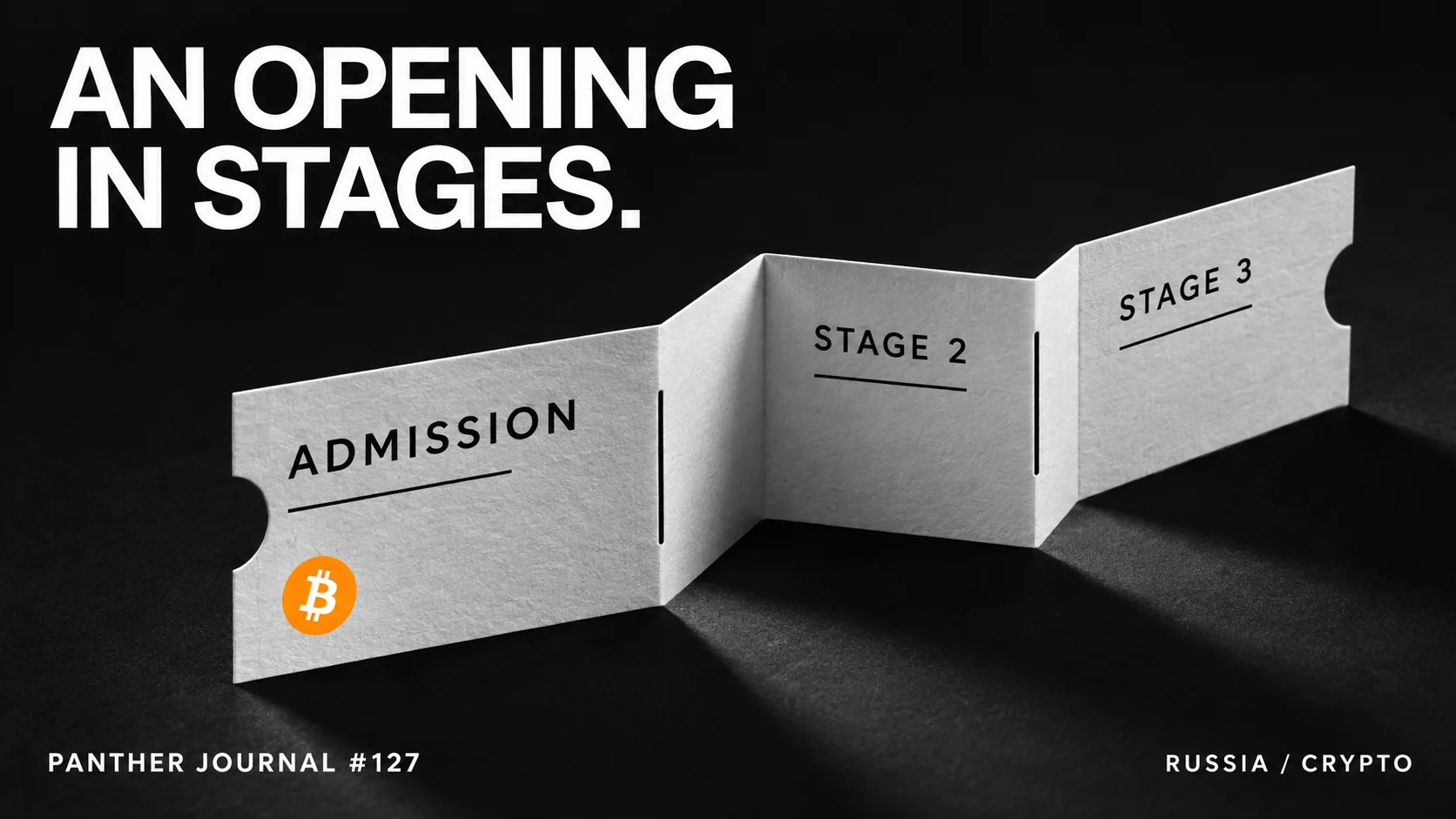
The opening has three stages. Today’s asset-list milestone, the date exchanges may start trading and an individual exchange’s planned launch are different events. Treating them as one opening bell can leave readers expecting a service that their broker has not enabled.
What the ₽300,000 limit actually counts
The Bank of Russia’s November 6 notice says non-qualified investors can buy through a broker, trust manager or crypto exchanger, on or off exchange. It puts the limit at ₽300,000 a year through one intermediary. Investors in either qualification category must complete testing and learn the risks before transacting.
Directive 7441-U spells out the broker calculation: add the ruble acquisition cost of crypto bought and being bought on that resident client’s instructions during the calendar year. It is a purchase-cost measure, not a cap measured against today’s fluctuating portfolio value. The text lists Bitcoin and Ether as digital currencies and includes USDT separately as a foreign digital instrument, with the purchase-limit provisions extended to that category.
That wording gives the limit a specific denominator: the intermediary and the calendar year. Readers should check their provider’s eligibility and execution terms rather than assume every platform or asset is covered.
Three dates, three separate checks
| Date in 2026 | Verified milestone | What still needs checking |
|---|---|---|
| November 17 | Directive 7441-U takes effect; the initial asset list applies | The customer’s test and the intermediary’s available service |
| November 22 | Exchanges may launch crypto trading under the separate trading framework | Prior agreement of their trading rules with the Bank of Russia |
| December 1 | Moscow Exchange plans to begin offering crypto transactions | Pilot participation and connections as firms become ready |
The middle date comes from the central bank’s November 11 exchange-trading notice. Its permission is conditional on agreeing the venue’s rules with the regulator first. Exchanges also have to register participants, keep order and trade records, monitor activity and report trading information to the central bank.
Moscow Exchange’s November 2 release uses a planned December 1 start. It describes initial pilot deals and participants joining gradually as they become ready, with BTC, ETH and USDT in the initial instrument list. A target for that venue should not be turned into a claim that every broker will offer a fully open retail product on the same day.
A legal opening is not a demand forecast
Crypto.news reported the November 17 effective date at 12:34 UTC, independently covering the cap and phased exchange rollout. Blockhead’s November 17 report also separates the three milestones.
The useful next evidence is operational: approved venue rules, functioning customer testing, which intermediaries actually enable purchases and the first completed trades. The documents reviewed here do not establish realized new inflows or a price effect for any of the three assets. The cap itself cannot tell us how many people will use the route or how much they will buy.
Access through an intermediary also deserves its own custody check. Panther’s bank-and-crypto custody analysis explains why a trading service and control of private keys need separate questions; that distinction is useful without assuming the Russian services use the same setup.
Panther Takeaway
Russia’s retail asset-list milestone is live. Before treating it as an available trading route, check the provider, testing requirement and venue’s actual launch. Keep November 17, November 22 and Moscow Exchange’s planned December 1 rollout separate—and wait for trading evidence before claiming a wave of demand.
Responses
No responses yet. Start the conversation.
Panther Journal — The intelligence brief
Stay ahead of the story.
Free. New investigations delivered when published. Unsubscribe anytime.