Key points
- EnsembleTX now supports 24/7 interbank settlement using tokenised central-bank money.
- The HKMA reports 12 participating banks and 20 industry pioneers.
- The controlled pilot does not imply unrestricted access or universal 24/7 fund dealing.
Tokenised settlement faces a timing test when a fund changes hands after the dealing desk goes quiet. The harder question is whether the money can settle too.
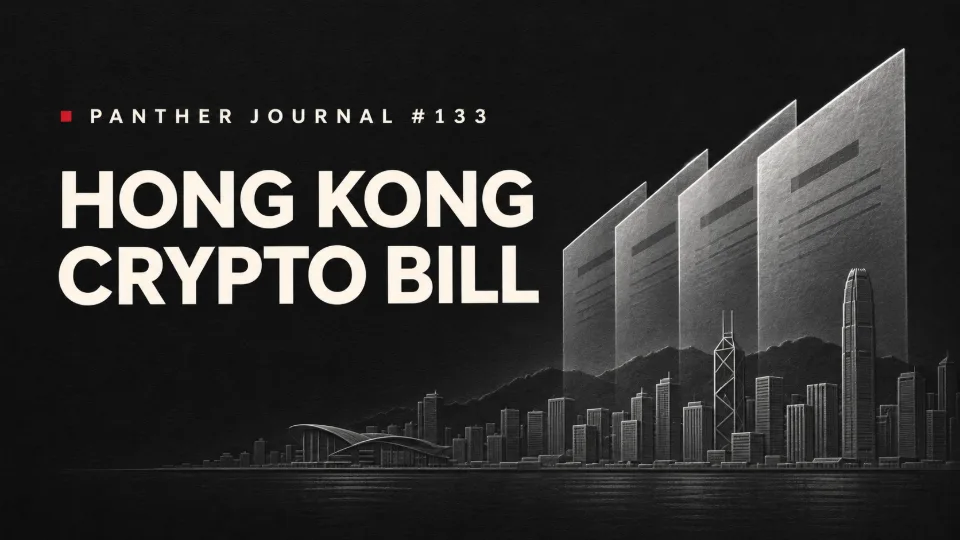
Hong Kong’s EnsembleTX pilot now supports 24/7 interbank settlement of tokenised deposit transactions in tokenised central-bank money, the Hong Kong Monetary Authority announced on November 2. For institutions building around blockchain assets, the change addresses a practical mismatch: digital transactions can run continuously while the payment arrangements behind them observe banking hours.
The new capability operates within a controlled pilot. It does not establish unrestricted public access, make every tokenised asset tradable at any hour, or turn commercial-bank deposits into retail central-bank money.
Tokenised settlement gets a longer clock
The HKMA’s November 2 announcement identifies the upgrade precisely: participating banks and industry pioneers can use tokenised central-bank money for settlement beyond conventional operating hours. Participation has increased to 12 banks and 20 industry pioneers, according to the authority.
EnsembleTX launched in November 2025 using Hong Kong’s HKD Real Time Gross Settlement system for interbank settlement. It enabled real-value transactions involving tokenised deposits and digital assets in a controlled environment, including corporate treasury management and tokenised money-market funds.
The distinction is between an existing pilot gaining a new settlement capability and an entirely new market opening to everyone. Crypto.news reported the upgrade on November 2 at 10:52 UTC, independently confirming the move beyond conventional settlement hours. Its report covers several additional Hong Kong initiatives; this article focuses on the capability established by the HKMA’s specific release.
Three layers behind one transaction
The terminology matters because the claim on the money changes with the instrument.
| Layer in this announcement | What the release establishes |
|---|---|
| Tokenised deposits | Transactions using bank-provided deposits within the pilot |
| Tokenised central-bank money | The instrument supporting the new interbank settlement capability |
| Tokenised assets | Uses include money-market funds; the SFC also highlights secondary trading of tokenised funds on licensed platforms |
Panther summary of the HKMA’s November 2 release. This is a description of the pilot, not a product eligibility list or a diagram of every legal claim.
A stablecoin headline can blur those layers. This announcement concerns interbank settlement in central-bank money. It is not evidence that any privately issued stablecoin can use that settlement asset, that every investor holds a claim on the HKMA, or that public-chain tokens have received new approval.
Why the clock matters to crypto readers
The practical opportunity is a smaller gap between when an institution can transact and when its payment can settle. The SFC’s chief executive, Julia Leung, identifies corporate treasury management and secondary trading of tokenised funds on licensed platforms as applications of the around-the-clock capability.
For a treasury team, after-hours settlement could reduce the need to leave a transaction waiting for a banking window. For a fund platform, it could support a more continuous transaction process. Those are potential operational benefits; the announcement does not quantify cost savings, settlement volumes or reductions in capital requirements.
Continuous availability also leaves familiar questions intact: who can participate, which asset is eligible, when the fund accepts orders, and what happens if a participant’s own systems are unavailable. A 24/7 settlement layer alone does not answer them. Panther’s tokenised-stock guide explains the wider principle: the token’s technical movement and the holder’s enforceable rights require separate checks.
What would prove the next stage
The HKMA describes a push towards commercialisation and more impactful tokenisation uses. Those ambitions should be assessed against evidence of actual adoption: repeat transactions, participating institutions’ service terms and measured operating results.
For readers assessing a tokenisation launch, the useful questions are specific. Does the product actually connect to the new settlement capability? Are its own dealing and redemption processes available at the same times? Who can access it? Faster infrastructure offers little practical benefit to a customer whose product still waits for the next business day.
Panther Takeaway
Hong Kong has moved the settlement clock forward inside a real-value pilot. The next test is whether institutions build products whose access, dealing and cash movement keep pace. Follow the completed transaction—not just the always-on label.
Sources and verification
Primary source: the HKMA’s November 2 release linked above, including its account of participation and the SFC’s stated use cases. Independent reporting: Crypto.news, November 2, 10:52 UTC. Operational implications are Panther analysis, not measured outcomes. No asset-price prediction is implied. Cover: conceptual illustration.
Responses
No responses yet. Start the conversation.
Panther Journal — The intelligence brief
Stay ahead of the story.
Free. New investigations delivered when published. Unsubscribe anytime.